
When you combine water and electricity, what comes to your mind is most likely to be dangerous, and rightly so. Water in and around electrical systems is a serious safety concern, and among the most underestimated sources of this risk is improper drainage. Improper drainage can wreak havoc on electrical systems, whether in a residential basement, commercial rooftop, or underground utility conduit.
According to the National Fire Protection Association (NFPA), electrical distribution systems cause close to 25,000 fires in the United States every year. A vast number of them are directly or indirectly related to water intrusion.
Poor drainage can damage electrical installations. Let’s examine how this occurs, what the results of such damage are, and how to avoid such problems.
1. Water and Electrical Installations Relationship:
Water is a perfect electricity carrier. Once it gets in contact with electrical parts, particularly in areas not designed to retain moisture, the chances are high that it may cause short circuits, corrosion, insulation failures, and even electrocution. Inadequate drainage can cause standing water or high humidity, which may enter unprotected electrical systems.
According to Thomas Riley, a licensed electrical inspector with more than 20 years of experience in the field, one of the leading factors in electrical panel failure is moisture intrusion, which usually remains unnoticed until it has caused serious damage.
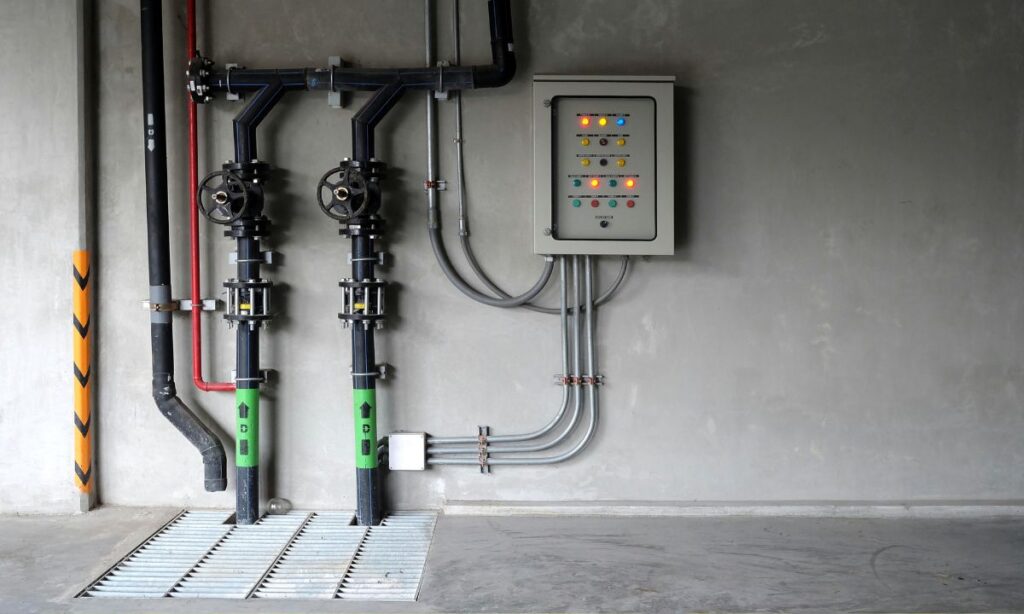
A poorly designed drainage system around foundations or roofs may lead to water accumulation around outlets, conduits, or underground wiring systems. In industrial installations, control panels, sensors, or even the electrical terminal block, where several wires are connected, may be exposed to water and short-circuit.
2. The Electrical Damages Caused by Poor Drainage
a. Pitting of Conductors and Terminals
Constant wetness leads to oxidation and corrosion of electrical parts, including connectors, busbars, and terminal blocks. The electrical terminal block, one of the major components of control panels and junction boxes, is particularly sensitive. As the corrosion accumulates, it will cause electrical resistance and thus heat, one of the most common causes of electrical fires.
The International Association of Electrical Inspectors (IAEI) published a study in 2022 that reported the possibility of moisture-related corrosion decreasing the anticipated life of electrical panels by as much as 40 percent.
b. Short Circuits and Ground Faults
In poorly drained areas, water may accumulate within enclosures or at cable joints. This moisture can bridge circuits, causing short circuits or ground faults. The consequence could be a tripped breaker, on the one hand, or an arc flash that destroys, on the other hand.
OSHA has reported that an arc flash may produce temperatures up to 35,000°F, which is enough to cause death to anyone in its vicinity.
c. Breakdown of Insulation
Insulation on wiring is usually designed to resist some degree of moisture. Still, prolonged exposure, particularly to continuous leaks or drainage problems, deteriorates the insulation, causing wires to become brittle and subject to arcing or accidental touching.
3. Real-World Example: Houston Floods
In 2017, Hurricane Harvey caused extensive flooding due to inefficient urban drainage. The Texas Department of Insurance observed that one of the top five insurance claims was related to damage to electrical systems.
All of our electricity was down due to floodwater getting into underground conduits and junction boxes. The drainage simply could not cope with it,” complained Carlos Mendez, a facility manager of one of the warehouses in Houston.
This type of failure highlights the importance of an adequate drainage system, particularly in cities that experience heavy rain and storms.
4. Secret expenses of Electric damages because of inadequate drainage
The extent of damage that water can cause to electrical systems is not restricted to immediate failure. Electrical Safety Foundation International (ESFI) identifies some of the long-term effects, which include:
- Expensive rewiring, panel replacement, or new equipment purchase
- Downtime in operations, particularly within a commercial or industrial setting
- Electrical and building code violations that may result in citations and fines
- Lower property value because of low infrastructure ratings
- Warranties or insurance claims are voided in case negligence is established.
These latent expenses offer early drainage intervention as a best practice and a financial requirement.
5. Before it can be prevented, design must be proactive.
a. Planning Drainage System
Appropriate grading of sites ensures that water is moved away from buildings. French drains, sump pumps, and well-located gutters or gratings can also help remove water around electrical systems during heavy rains.
b. High Electrical Installations
Elevate electrical panels and outlets in potentially flooding areas above the known flood levels. One of the guidelines is the FEMA Base Flood Elevation (BFE). Higher designs would minimize damages and insurance costs.
c. Water-Resistant Equipment
Outdoor or wet places need enclosures with a NEMA 4X or IP66 rating. Where necessary, use sealed electrical terminal blocks and moisture-resistant wiring. These blocks come in waterproof types that aid in keeping steady performance even in wet conditions.
It provides some direction about using the appropriate equipment in the appropriate place. According to Karen Liu, an electrical contractor and safety consultant, using indoor-grade type panels in a garage or basement invites trouble.
d. Periodic Electrical Inspections
At a minimum, professional inspections are recommended once a year, particularly in older structures or where drainage has historically been a problem. Look for:
- Panels or terminal corrosion
- Watermarks around outlets
- Condensation in enclosures
- Stagnant odors, which show dampness
6. Legal and Regulatory Obligations:
Electrical systems subjected to moisture are not in compliance with codes, as stated in the National Electrical Code (NEC). NEC Article 300.6 clearly states that corrosion protection is required in wet places. Penalties may be imposed in case of non-compliance, and the insurance may be invalid.
OSHA 29 CFR 1910.303 workplace requirement is that electrical equipment must be installed and maintained in places that will avoid contact with water. Here, violations may attract huge fines and liability suits.
7. Smart Technology: Leak Detection and Internet of Things
A leak detection smart water sensor, like the one by Honeywell or Flo by Moen, will sound an alarm in time and notify the property managers through a smartphone. Such sensors are cheap versus the cost of maintaining damaged electrical systems.
In industrial settings, IoT-powered panels can detect humidity levels in the air and send an alert when certain limits are reached, before the problem escalates and becomes hazardous.
8. Parting Remarks of Experts in the Industry
Water causes electrical failures that are common and preventable, according to Elena Martinez, a civil engineer specializing in sustainable site development. “When constructing or remodeling, consider drainage and electricity design at the beginning.”
Likewise, John Petrov, an industrial electrician, points out: “I have witnessed machinery worth 100,000 dollars being ruined due to someone neglecting a 500-dollar drainage solution. I don’t want to be that person.
Conclusion:
Bad drainage is not just a simple inconvenience but a silent killer of your electrical system. Whether it damages critical parts of the system, such as the electrical terminal block, leading to devastating failures and fires, the dangers are eminent and growing as weather volatility increases.
Drainage is more than simply keeping floors dry; it is a long-term safety and effectiveness issue for your electrical systems. The appropriate materials used, the regular inspections enforced, and the inclusion of intelligent detection technologies create resilience in your environment. As they say, prevention is better than a cure. This is especially true when said cure is rewiring an entire building because of one neglected drain.
ALSO READ:
Leave a Reply