

An airport is a designated area on land or water used for aircraft takeoffs and landings, passenger transportation, cargo handling, and aircraft movement. It is equipped with aviation safety and security facilities, as well as essential operational and supporting infrastructure. One of the most important supporting infrastructures is the airport drainage system.
Functions of an Airport
Airports serve several important functions, including:
- Acting as gateways for economic activities that promote equitable development, economic growth, and regional stability.
- Serving as hubs within air transportation networks by connecting various flight routes.
- Providing transfer points between air transportation and other modes of transportation.
- Supporting the growth of industries such as trade, tourism, and other economic sectors.
- Improving accessibility to previously isolated areas.
Why Is an Airport Drainage System Important?
An airport drainage system shares many similarities with highway drainage systems. Airports consist of large paved surfaces with relatively flat gradients, making efficient water drainage essential. Since airport operations require rapid removal of rainwater, an integrated drainage system is necessary to quickly channel surface water into drainage networks.
To ensure flight safety, critical operational areas such as runways, taxiways, and aprons must remain free of standing water. Water accumulation can reduce tire traction, increase the risk of hydroplaning, and disrupt airport operations.
A well-designed drainage system not only improves operational safety but also enhances the durability and performance of airport pavements. Poor drainage can lead to flooding, erosion, soil saturation, and the weakening of pavement foundations, resulting in costly maintenance and operational delays.
Purpose of an Airport Drainage System
The primary purpose of an airport drainage system is to prevent hazards, property damage, financial losses, and operational disruptions caused by standing water.
The main functions of an airport drainage system include:
- Removing standing water from airport surfaces.
- Controlling excessive rainwater accumulation.
- Preventing soil erosion.
- Protecting pavement structures from water damage.
Airport Drainage Castings (Drainage Cover Components)
An effective drainage system depends not only on proper channel design but also on high-quality drainage components. These components serve as protective covers while allowing water to flow efficiently from the surface into the drainage channels.
The most commonly used drainage components in airport applications are manhole covers and gratings. Since these products are manufactured through metal casting, they are often referred to as airport drainage castings.
Most airport drainage castings are made from ductile iron, a material known for its exceptional strength, durability, and impact resistance. These properties make ductile iron an ideal choice for airport environments, where drainage components must withstand heavy aircraft loads and continuous traffic.
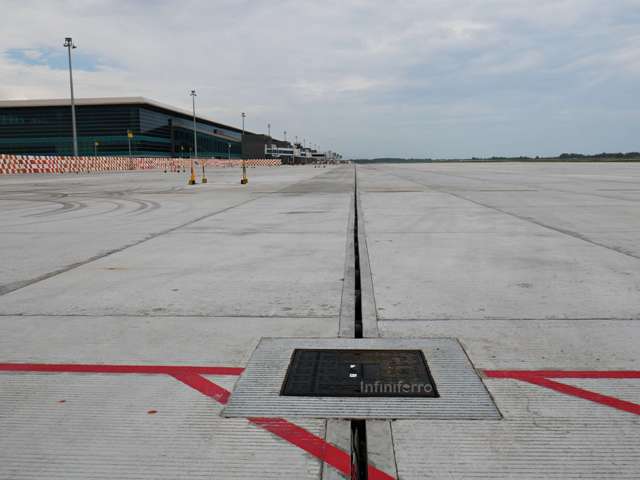
Airport Manhole Covers
Manhole covers are typically installed in aircraft parking areas (aprons). They are designed to cover maintenance access points in enclosed drainage systems while providing safe and secure access for inspection and maintenance activities.
Airport Gratings
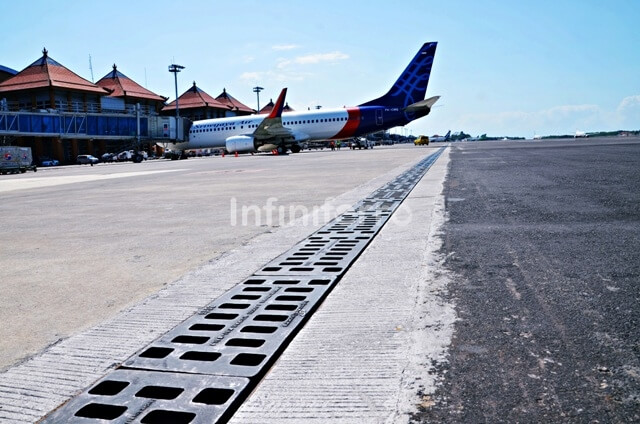
Gratings are commonly installed along open drainage channels, particularly in areas between the apron and the taxiway. Their primary function is to allow surface water to enter the drainage system while maintaining a safe surface for vehicles and airport operations.
To maximize drainage efficiency, gratings should be installed continuously along the length of the drainage channel.






Leave a Reply